Contaminated Soil Hauling
Impacted Soil Hauled Safely and By the Book
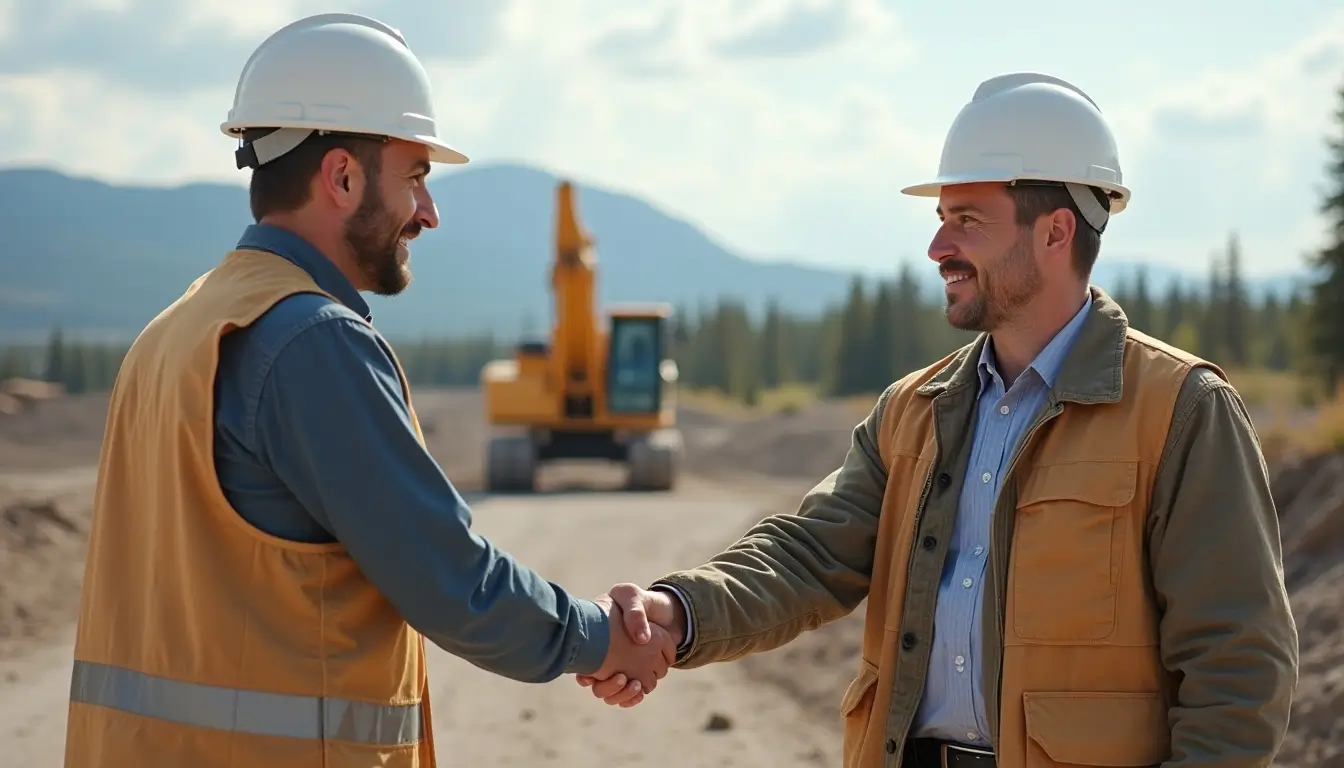
Keystone Civil Ltd. hauls hydrocarbon and salt-impacted soil from oilfield, industrial, and remediation sites across Alberta and Saskatchewan. We move impacted material to approved facilities and provide the transport documentation your project needs, working from your environmental consultant's soil characterization.
What We Haul
Compliant Transport for Impacted and Regulated Soil
Moving impacted soil is not the same as moving fill. The material has to be characterized, tracked, and taken to a facility approved to receive it, and how it travels on the road depends on how it's classified. We handle the transport and work from your consultant's characterization.
The Material We Move
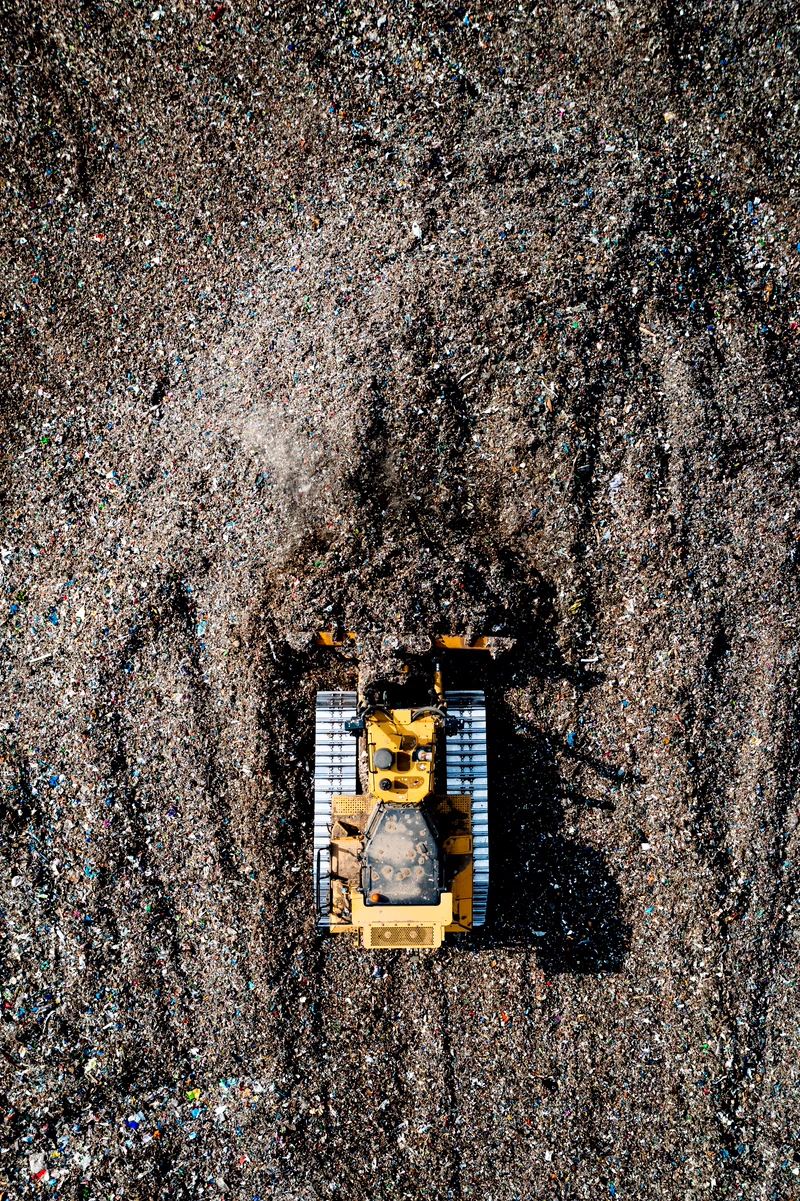
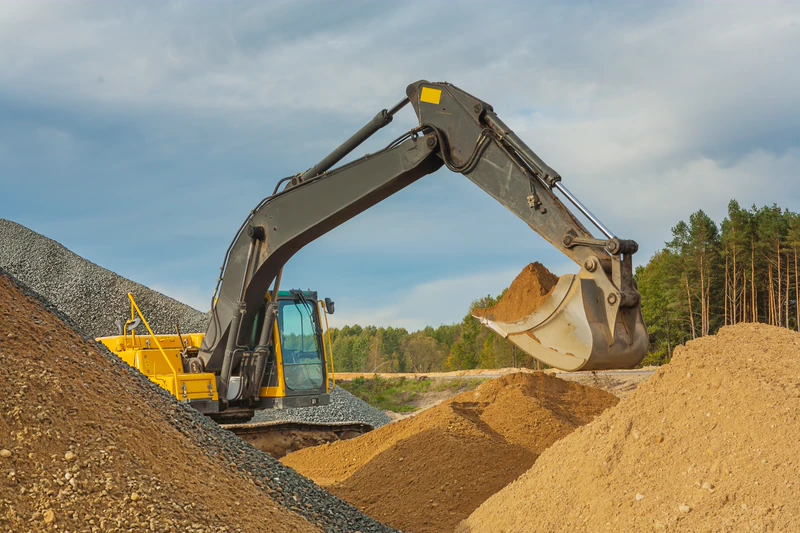
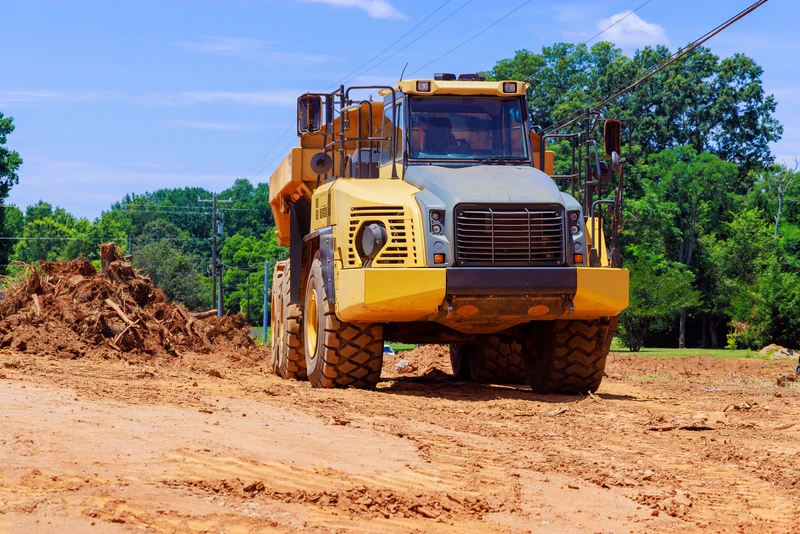
Hydrocarbon-impacted soil (F1-F4 and BTEX), salt and brine-impacted soil, and non-hazardous industrial soil bound for approved facilities.
Handled to the Rules That Apply
We haul under the applicable environmental approvals and transport requirements, matched to how your soil is classified and where it's going.
Where We Haul Impacted Soil
Transport for Oilfield, Industrial & Remediation Work
Impacted soil turns up wherever industry has worked the land. We move it from active and legacy sites to the facilities approved to take it.

Oilfield & Pipeline Sites
Hydrocarbon and salt-impacted soil from leases, spills, and pipeline right-of-way remediation.
Industrial Decommissioning
Regulated soil from demolished, decommissioned, and reclaimed industrial facilities.
Remediation Projects
Excavated impacted soil hauled off site so your remediation crews can keep digging.
Approved Facility Disposal
Transport to Class I or Class II facilities based on how the soil is classified.
How We Work
Built for Safe, Documented, Compliant Transport
Review the Characterization
We start from your consultant's soil analysis to confirm how the material is classified and where it can go.
Plan the Haul & Paperwork
We confirm the destination facility, the required documentation, and the right equipment for the material.
Load & Transport
Our crews load and haul the soil under the applicable environmental and transport requirements, with contained loads.
Confirm Disposal
We confirm the load reached the approved facility and return the documentation your records require.
Impacted Soil, Off Your Site and On the Record
Moving regulated soil is about doing it right and proving it. We haul impacted material to approved facilities and hand back the documentation that keeps your project clean.
Why Choose Us
Impacted Soil Hauling Backed by Field and Compliance Know-How
We already run site remediation and reclamation for Alberta operators, so regulated soil is familiar ground. With over 40 years of combined field experience, our team treats compliance as part of the job, not an afterthought.
Compliance Is Part of the Work
We handle regulated soil with the documentation and care the rules demand, so your project stays clean and defensible.
Remediation-Ready Crews
Our teams already work remediation and reclamation sites, so they know how to move impacted material without spreading a problem.
Aggregate Delivery Across Western Canada
Based in Three Hills, Alberta, we deliver aggregate across Western Canada, from the Calgary and Edmonton corridors through Saskatchewan and into northeastern British Columbia. We plan hauls around spring road bans and seasonal weight limits in each province, so your material still arrives on schedule, whatever the calendar says.
Alberta
Impacted soil transport under Alberta's environmental and transport requirements to approved facilities.
Saskatchewan
Impacted soil hauling across Saskatchewan under the province's environmental management framework.
British Columbia
Aggregate delivery into northeastern B.C. and the Peace Region, planned around B.C.'s seasonal load bans.
FAQs
Got Questions?
We’ve Got Answers
We’ve Got Answers
From classification to disposal, here are the questions we hear most about hauling impacted soil in Alberta and Saskatchewan.
Hydrocarbon-impacted soil (petroleum fractions F1 through F4 and BTEX), salt and brine-impacted soil, and non-hazardous industrial soil, based on how the material is characterized.
It depends on classification. Non-hazardous material goes to an approved Class II facility, while hazardous soil goes to a Class I facility. The lab results on your soil determine the destination.
Yes. Hauling starts from your environmental consultant's soil characterization, which confirms how the material is classified and which facility can receive it.
Yes. Spring bans reduce legal payloads, so a haul may take more trips, but we plan around them and keep your remediation on schedule.
Yes. We can bring clean fill in and haul impacted soil out on the return trip where the sequencing and classification allow, keeping trips and costs down.
Haul Impacted Soil With Keystone Civil
We move regulated soil to approved facilities and return the documentation your records need, so your remediation project stays compliant and on schedule. Contact us to talk through your site today.